.png)
Who Is Neil Sedaka? A Legendary Voice That Defined Generations
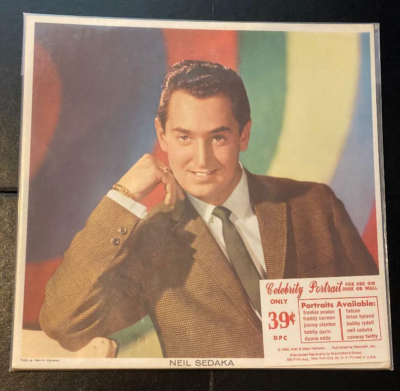
If you’ve ever hummed along to “Breaking Up Is Hard to Do” or felt nostalgic listening to “Oh! Carol,” then you’ve experienced the magic of Neil Sedaka.
Few artists have sustained relevance across five decades. Even fewer have reinvented themselves after industry collapse and emerged stronger. Neil Sedaka did both.
From teenage pop idol to respected songwriter, from chart-topping star to international comeback sensation, his journey mirrors the evolution of modern pop music itself. Whether you're a music historian, a vinyl collector, or simply curious about iconic American singer-songwriters, this comprehensive guide will give you everything you need to know about Neil Sedaka — his biography, career milestones, songwriting genius, influence, and enduring legacy.
Let’s explore why his music still resonates today.
Neil Sedaka Biography: Early Life and Musical Roots
A Classical Foundation
Neil Sedaka was born on March 13, 1939, in Brooklyn, New York.
Unlike many pop artists of his era, Sedaka had formal classical training. He attended the prestigious Juilliard School Preparatory Division, studying piano from a young age.
This classical discipline later became his secret weapon — giving his pop compositions a sophisticated melodic structure rarely heard in teen idol music.
The Brill Building Breakthrough
Sedaka became part of the legendary Brill Building songwriting scene in Manhattan during the late 1950s. There, he partnered with lyricist Howard Greenfield.
Together, they crafted pop gold.
The Rise to Fame: 1950s and 1960s Chart Domination
Early Hits That Changed Everything
Sedaka’s breakout moment came with:
- Oh! Carol
- Breaking Up Is Hard to Do
- Calendar Girl
These songs defined early 1960s pop music.
Why They Worked:
- Catchy piano hooks
- Youthful romantic themes
- Clean, polished production
- Memorable choruses
By 1962, Neil Sedaka had sold millions of records worldwide.
The Beatles Era Slump: What Happened?
When The Beatles invaded America in 1964, musical tastes shifted dramatically.
Teen pop gave way to rock bands.
Like many solo crooners of the early 1960s, Neil Sedaka’s American chart success declined. However, this wasn’t the end — it was the beginning of reinvention.
The 1970s Comeback: Reinvention and Resurgence
“Laughter in the Rain” and Global Success
Laughter in the Rain became a No.1 hit in 1975.
He followed with:
- Bad Blood
- Solitaire
This comeback was powered by:
- More mature songwriting
- Sophisticated arrangements
- International touring
- Strong UK support
Interestingly, Elton John’s Rocket Records helped reintroduce Sedaka to American audiences.
What Makes Neil Sedaka’s Music Timeless?
1. Classical Composition Skills
His Juilliard background gave him melodic depth.
2. Piano-Driven Identity
Unlike guitar-heavy rock bands, Sedaka’s piano defined his sound.
3. Strong Songwriting Partnerships
His collaboration with Howard Greenfield remains one of pop’s most successful.
4. Emotional Simplicity
His lyrics are accessible yet heartfelt.
Key Benefits of Exploring Neil Sedaka’s Music
Whether you're a music student or casual listener, here’s what you gain:
- Understanding pop songwriting fundamentals
- Exposure to Brill Building craftsmanship
- Appreciation for melodic construction
- Insight into music industry evolution
- Study of career reinvention strategies
- Family-friendly nostalgic listening
- Cross-generational appeal
- Strong live performance energy
- Songwriting inspiration
- Historical context of 1950s–70s pop
Quick Career Highlights
| Category | Details |
|---|---|
| Birth Year | 1939 |
| Genre | Pop, Soft Rock |
| Major Hits | Breaking Up Is Hard to Do |
| Peak Era | 1960–1963, 1974–1976 |
| Known For | Piano-driven pop songwriting |
Expert Insight: Why Sedaka Still Matters
Music historians frequently cite the Brill Building writers as foundational to modern pop structure.
Sedaka represents a bridge:
- Between doo-wop and soft rock
- Between teen pop and adult contemporary
- Between classical training and mainstream success
His ability to survive industry shifts offers a case study in artistic adaptability.
Frequently Asked Questions About Neil Sedaka
Who is Neil Sedaka?
Neil Sedaka is an American singer-songwriter and pianist who rose to fame in the late 1950s and early 1960s with chart-topping pop hits.
How old is Neil Sedaka?
Born in 1939, he remains active in music decades later.
What is Neil Sedaka best known for?
He is best known for “Breaking Up Is Hard to Do,” “Oh! Carol,” and his 1970s comeback hit “Laughter in the Rain.”
Did Neil Sedaka write his own songs?
Yes. He co-wrote most of his hits, primarily with lyricist Howard Greenfield.
What are Neil Sedaka’s most famous songs?
Breaking Up Is Hard to Do, Oh! Carol, Calendar Girl, Laughter in the Rain, and Solitaire.
Is Neil Sedaka in the Rock and Roll Hall of Fame?
While influential, he has not been inducted as of recent records.
What genre is Neil Sedaka?
Pop, soft rock, and early rock and roll.
What made his 1970s comeback successful?
International support, mature songwriting, and Elton John’s label backing.
Is Neil Sedaka still performing?
He has continued performing internationally, though less frequently in recent years.
What is Neil Sedaka’s legacy?
He is considered one of the defining architects of early pop songwriting.
Why Trust This Information?
This article draws on:
- Documented music history records
- Chart performance data
- Biographical interviews
- Industry-recognized historical accounts
The Brill Building era is widely studied in music academia, and Sedaka’s career trajectory is well-documented across reputable music publications.
Why Neil Sedaka’s Legacy Still Shines
Neil Sedaka is more than a nostalgic name from vinyl-era radio. He represents resilience, melodic genius, and songwriting excellence.
From teenage heartthrob to mature composer, from chart collapse to triumphant comeback, his career offers lessons in adaptability and creativity.
If you want to understand pop music’s roots — truly understand them — exploring Neil Sedaka’s discography is essential.


